

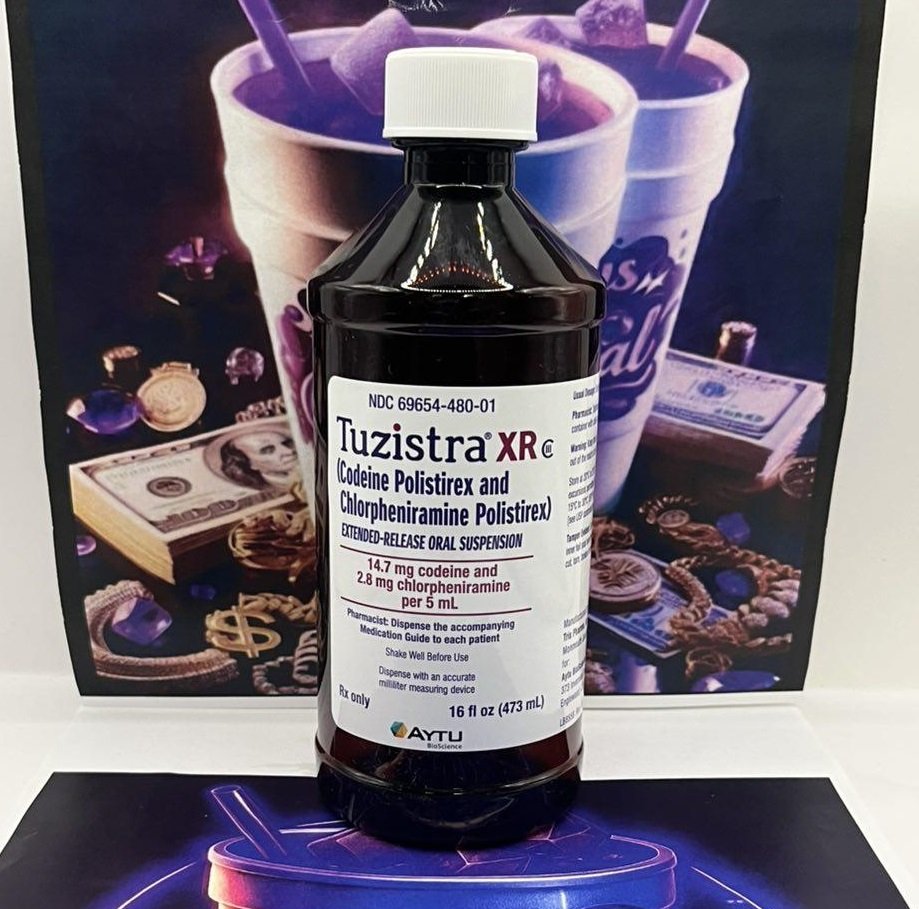




tuzistra cough syrup
Tuzistra cough syrup is the common name people use for Tuzistra XR, a prescription-only, extended-release oral suspension formulated to treat cough and upper respiratory symptoms associated with allergies or the common cold. It combines hydrocodone, an opioid antitussive (cough suppressant), with chlorpheniramine, a first-generation antihistamine. The “XR” designation indicates that it is engineered for extended release, meaning the medication is designed to deliver therapeutic effects over a prolonged period rather than requiring frequent dosing.
From a clinical perspective, tuzistra cough syrup is typically prescribed for short-term management of significant, non-productive cough when symptoms are severe enough to interfere with rest or daily functioning. Because it contains an opioid (hydrocodone), it is classified as a controlled substance in the United States and many other jurisdictions. Its use requires careful patient selection, medical oversight, and adherence to prescribing guidelines.
tuzistra xr cough syrup
The therapeutic profile of tuzistra xr cough syrup is based on the pharmacologic synergy between its two active components:
Hydrocodone is an opioid receptor agonist that acts centrally on the medullary cough center in the brain. By increasing the threshold for cough reflex activation, it reduces the frequency and intensity of coughing episodes. Although hydrocodone is widely recognized for its analgesic properties in pain management, in this formulation it is specifically utilized for its antitussive effect.
Chlorpheniramine is an H1 receptor antagonist that reduces histamine-mediated symptoms such as sneezing, watery eyes, runny nose, and throat irritation. As a first-generation antihistamine, it can cross the blood–brain barrier, which may produce sedative effects. This sedation can sometimes be beneficial for nighttime symptom relief but also contributes to certain safety considerations.
The extended-release suspension technology allows for gradual systemic absorption of these agents, providing symptom control over a longer dosing interval compared to immediate-release cough syrups.
How Tuzistra Cough Syrup Works in the Body
Tuzistra cough syrup operates through dual mechanisms—central nervous system modulation and peripheral histamine blockade. Hydrocodone binds to mu-opioid receptors in the central nervous system, dampening neural signals that trigger coughing. This central suppression is particularly effective for dry, irritating coughs that do not serve a productive physiological purpose.
Chlorpheniramine simultaneously counteracts histamine activity in the upper respiratory tract, decreasing inflammation, mucosal secretions, and related allergic symptoms. The extended-release formulation ensures that plasma drug concentrations remain relatively stable over time, reducing the peaks and troughs associated with shorter-acting products. However, steady drug levels also mean that adverse effects may persist for a longer duration if they occur.
Indications and Intended Use
Tuzistra cough syrup is indicated for the relief of cough and upper respiratory symptoms associated with allergy or the common cold in adults. It is not generally recommended for children due to the increased risk of serious respiratory depression associated with opioid-containing medications. Additionally, it is not intended for chronic respiratory diseases such as asthma or chronic obstructive pulmonary disease (COPD) unless specifically evaluated and prescribed by a healthcare professional.
Importantly, suppressing a productive cough—especially one that clears mucus from the airways—may be clinically inappropriate in certain conditions. Healthcare providers evaluate whether cough suppression is therapeutically justified before prescribing this medication.
| quantity | 1 pint, 5 pint, 10 pint, 25 pint, 50 pint |
|---|
Be the first to review “tuzistra cough syrup”
Related products

CODEINE SYRUP


CODEINE SYRUP


CODEINE SYRUP


CODEINE SYRUP


CODEINE SYRUP


CODEINE SYRUP

CODEINE SYRUP

CODEINE SYRUP
Reviews
There are no reviews yet.