
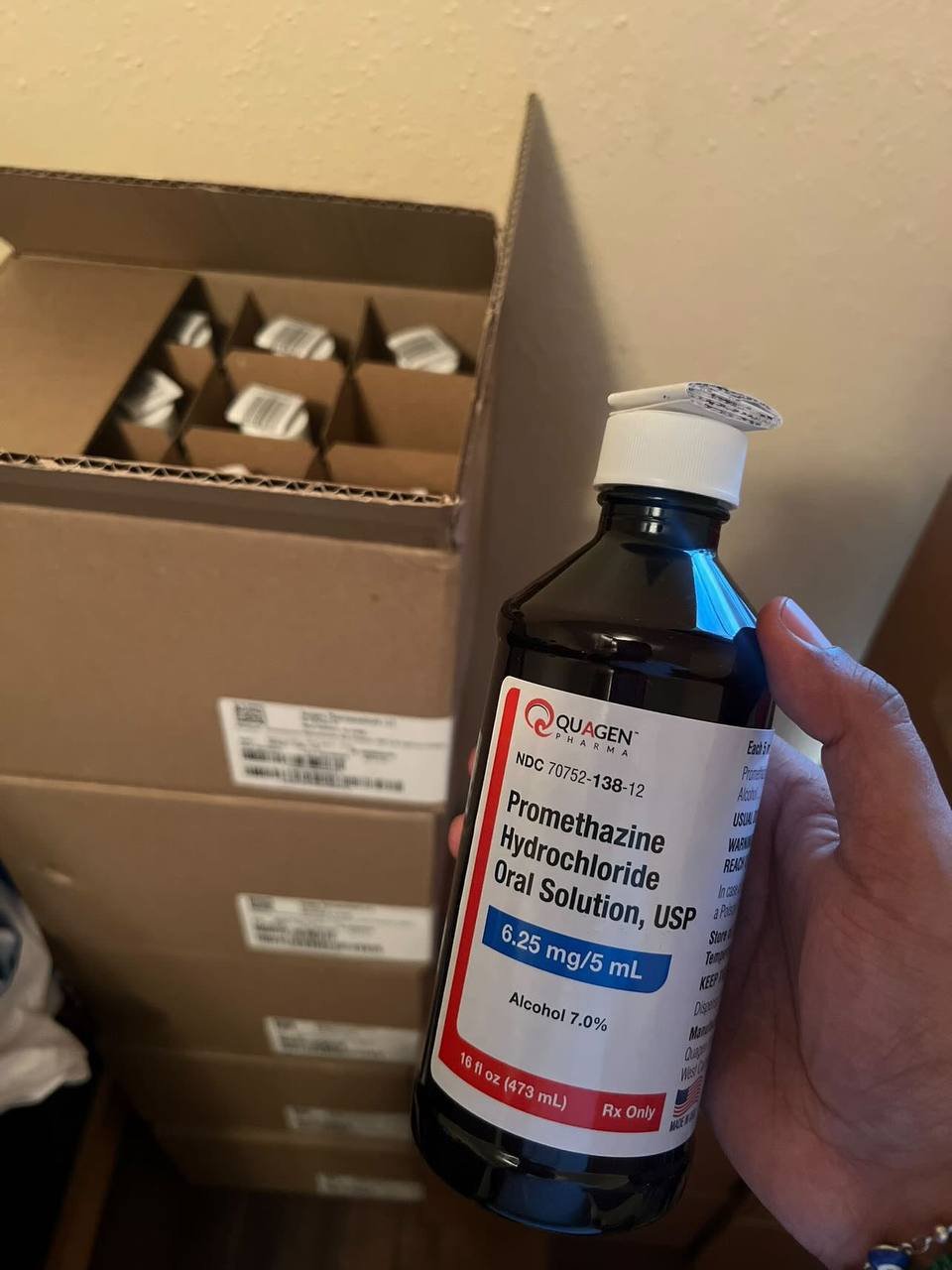
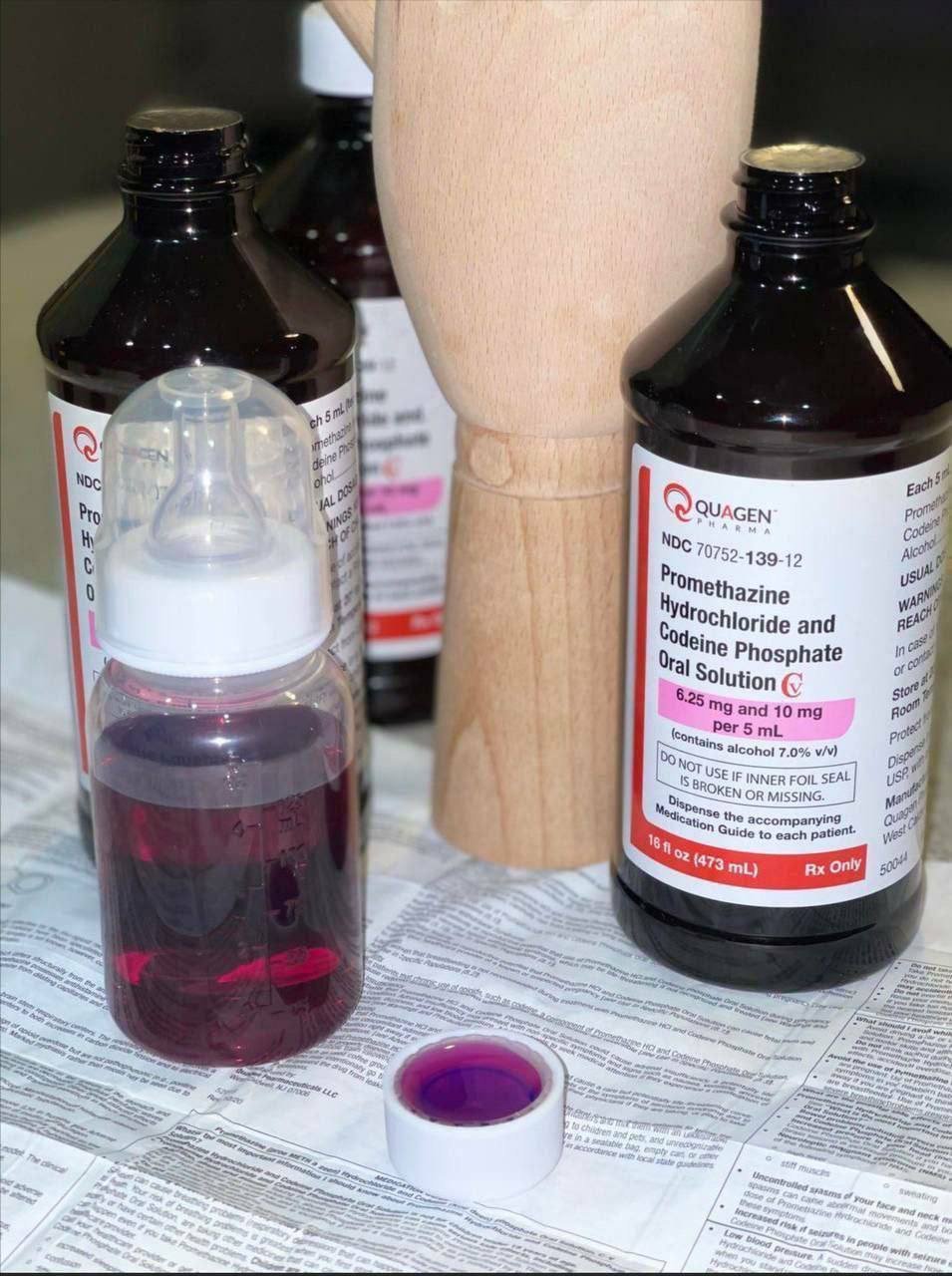


Quagen Codeine Syrup
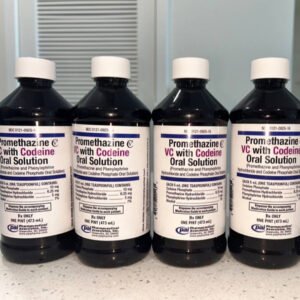
Quagen Codeine Syrup is a prescription opioid-containing oral liquid formulated for the short-term suppression of persistent, non-productive cough. As the name indicates, Quagen Syrup contains codeine—an opioid agonist—used primarily for its centrally acting antitussive (cough-suppressing) properties. Because codeine affects the central nervous system, Quagen Codeine Syrup is regulated in many jurisdictions and is dispensed only with a valid prescription from a licensed healthcare provider.
quagen promethazine syrup
At its core, quagen promethazine syrup is a medicinal cough preparation designed to reduce the frequency and intensity of coughing episodes that are severe enough to interfere with rest, recovery, or daily function. It is generally considered when non-opioid cough suppressants (such as dextromethorphan) are ineffective. The therapeutic intent of quagen promethazine syrup is symptomatic relief—not treatment of the underlying infection or inflammatory condition causing the cough.
Healthcare providers prescribe Quagen Syrup selectively after evaluating patient history, respiratory status, and potential risk factors. It is not intended for routine cold symptoms that can be managed with over-the-counter remedies, nor is it appropriate for chronic cough without proper medical evaluation.
quagen cough syrup
The primary active ingredient in quagen cough syrup is typically codeine phosphate, an opioid analgesic and antitussive agent. Codeine works by binding to opioid receptors in the brainstem, particularly within the medullary cough center. By increasing the cough threshold, quagen cough syrup decreases the urge to cough.
Once ingested, codeine is metabolized in the liver—primarily via the CYP2D6 enzyme—into morphine and other metabolites that contribute to its pharmacological effect. Genetic variability in CYP2D6 activity can significantly influence how a patient responds to Quagen Codeine. Rapid metabolizers may experience stronger opioid effects, including sedation and respiratory depression, whereas poor metabolizers may have reduced therapeutic benefit.
quagen syrup
Clinically, quagen syrup may be prescribed for acute, severe cough associated with upper respiratory infections, bronchitis, or other inflammatory respiratory conditions when cough suppression is medically appropriate. It is generally used for short durations and under close supervision.
Importantly, quagen syrup is not recommended for productive coughs where mucus clearance is necessary. Suppressing a productive cough may lead to retention of secretions and worsening respiratory function. A physician determines whether cough suppression is clinically justified before prescribing Quagen Codeine.
Quagen Codeine Syrup
The dosage of Quagen Syrup varies depending on patient age, body weight, clinical condition, and regional prescribing guidelines. It must be measured precisely using a calibrated dosing device (such as a pharmacy-provided measuring cup or syringe). Household spoons are inaccurate and increase the risk of dosing errors.
Patients taking Quagen Codeine Syrup should strictly adhere to prescribed instructions and should not increase dosage or frequency without medical authorization. Because of the opioid content, even small deviations from recommended dosing can elevate the risk of adverse effects.
| quantity | 1 PINT, 5 PINT, 10 PINT, 25 PINT, 50 PINT |
|---|
Be the first to review “Quagen Codeine Syrup”
Related products


CODEINE SYRUP
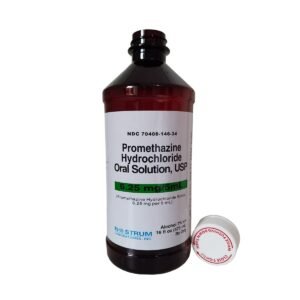
CODEINE SYRUP
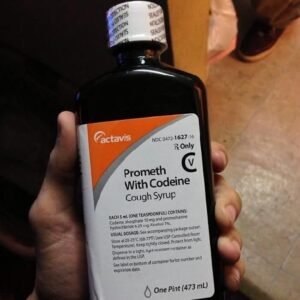

CODEINE SYRUP
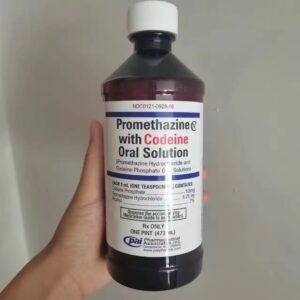
CODEINE SYRUP
CODEINE SYRUP

CODEINE SYRUP
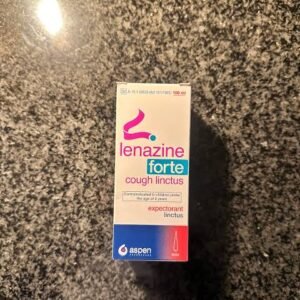
CODEINE SYRUP


CODEINE SYRUP
Reviews
There are no reviews yet.